One of the most common conversations I have with sellers goes something like this:
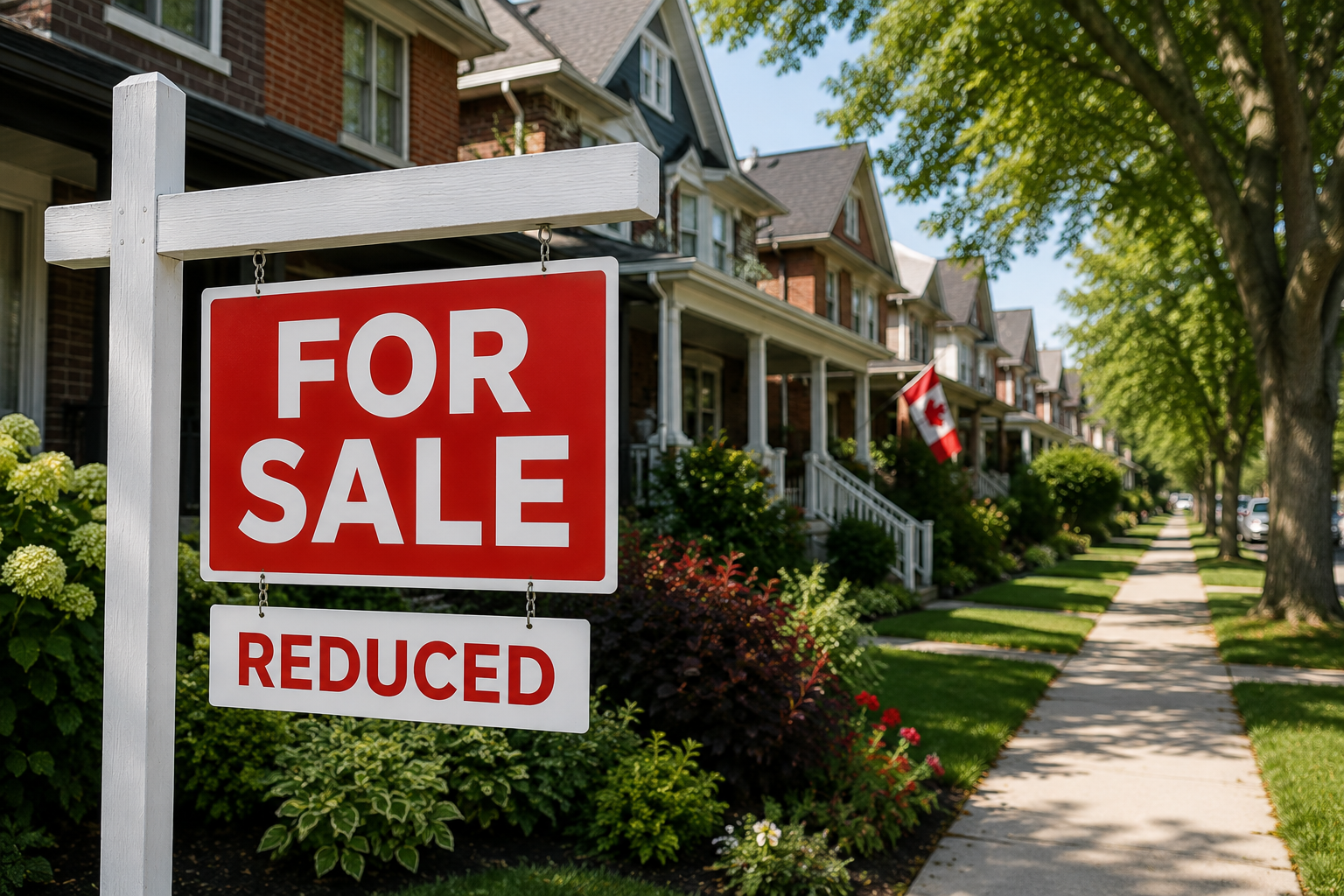
"What if we try a higher price? Buyers can always make an offer." It sounds reasonable enough, after all, if a buyer likes the property, they can simply submit an offer below the asking price and start a negotiation. The problem is that this often isn't how buyers behave—especially in Guelph. One of the unique characteristics of our market is the steady demand created by the University of Guelph, combined with a strong base of local buyers, move-up purchasers, downsizers, and investors. Because buyers typically have options, they rarely feel pressure to chase an overpriced property. Instead, they move on. This is where many sellers make a costly mistake. They assume that pricing above market value simply creates room for negotiation. In reality, it often reduces the number of buyers willing to engage in the first place.
The Critical First Impression
The first few weeks on the market are often the most important. When a new listing appears, buyers notice. It shows up in saved searches, is sent to clients by agents, and attracts attention from people who have been waiting for the right opportunity. A properly priced property generates interest. An overpriced property often generates hesitation. Rather than making an offer, many buyers simply decide to wait. They continue monitoring the property while also watching for new listings that better reflect current market value. What sellers don't see are all the buyers who quietly remove the property from consideration before ever booking a showing.When Is It Okay to Test the Market?
There are situations where testing the market can make sense. Some properties are genuinely difficult to value. A beautifully restored heritage home, a property with an extraordinary location, a home with extensive improvements far beyond neighbourhood standards, or a truly unique offering may not have direct comparable sales. In those cases, the market itself may help determine value. However, there is an important distinction between strategic price discovery and wishful pricing. Strategic price discovery is based on a property's unique characteristics and a clear plan to monitor buyer response. Wishful pricing is simply hoping buyers will pay more than current market evidence suggests. The two are not the same.Buyers Pay Attention to Days on Market
Years ago, one of the first questions buyers would ask while viewing a home was: "How long has it been on the market?" Today they don't need to ask. The information is available online for everyone to see. Buyers pay close attention to how long a property has been listed because they believe it tells them something about the seller's position. When a home has been sitting on the market for weeks or months, buyers often assume one of three things:- The seller is unrealistic.
- There is a problem with the property.
- A price reduction is coming.